March Mold Prevention for Coastal NC: Don’t Let Spring Showers Bring Indoor Flowers
At Home Disaster Medics, we know that in our part of North Carolina, extra moisture isn’t just a gardening benefit—it’s an essential ingredient for…
Blog
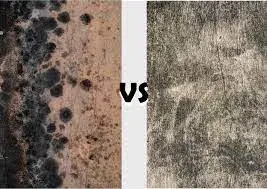
Have you ever wondered, “What is the difference between mold and mildew?” Though both are fungi commonly found in homes, they have distinct characteristics and implications for your health and home. This article will demystify the “mildew vs. mold” question, highlighting their differences and offering guidance on how to handle them. Eastern North Carolina, particularly the area along the coast in towns such as Surf City, NC; Holly Ridge, NC; Sneads Ferry, NC and Hampstead, NC are particularly vulnerable to microbial growth due to the climate.
Both mold and mildew thrive in damp, humid areas, but they impact your health and home differently. Understanding these differences is crucial for effectively addressing any problems they might cause.
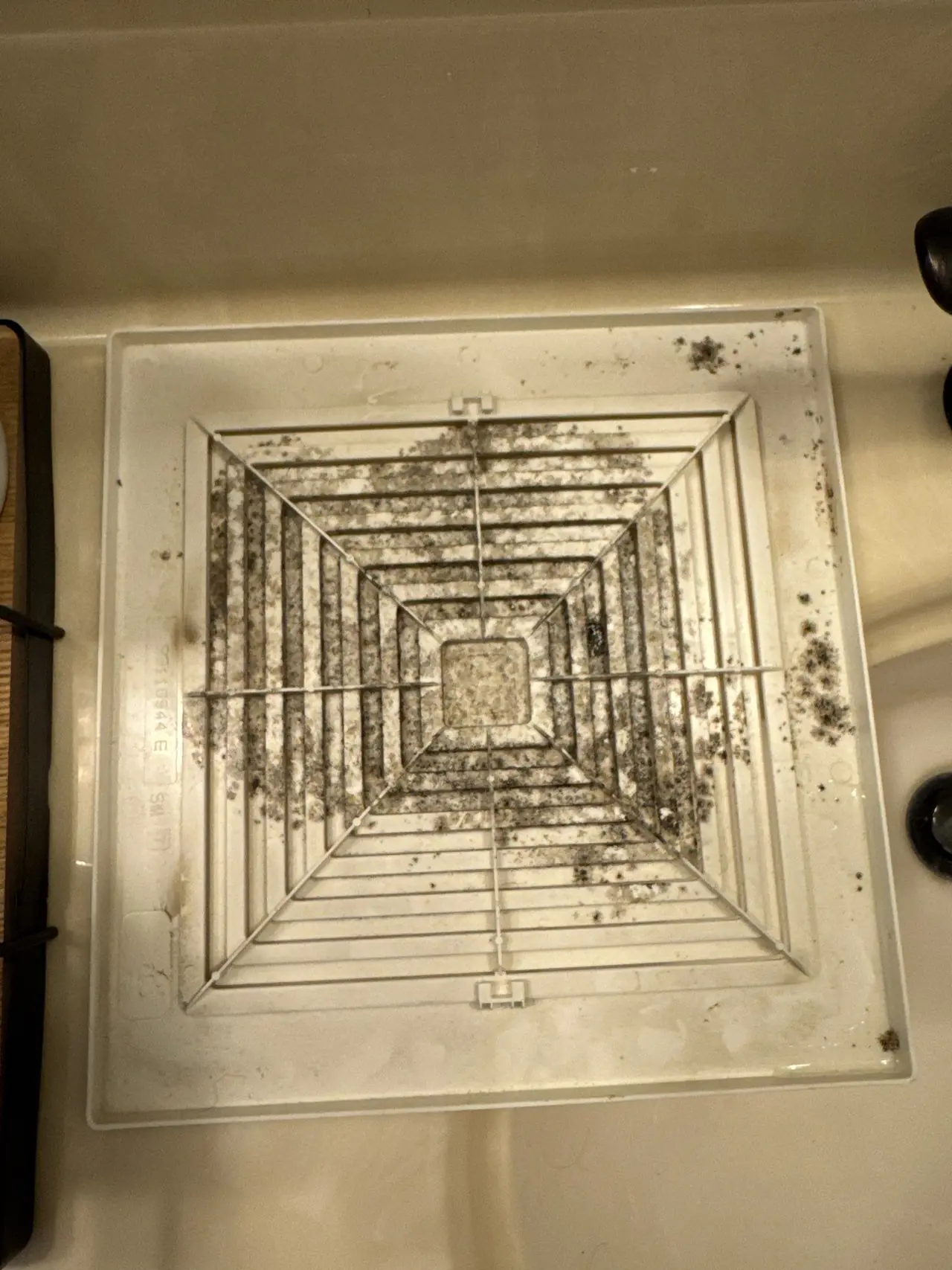
Mold is a fungus that flourishes in humid, damp environments. It often appears as a white, green, or black substance and can feel slimy. Mold reproduces by releasing spores into the air, which can cause health issues when inhaled. Allergic reactions, respiratory problems, and other health concerns are common, especially in children exposed to black mold.
Mildew is also a fungus but typically grows on plants, clothes, and other organic materials. It’s considered an early stage of mold growth and often appears as a powdery substance. While less common than mold, mildew thrives in moist environments and can damage fabrics, plants, and other materials.
The primary difference between mildew and mold is their growth pattern and impact. Mildew grows on visible surfaces, whereas mold can develop anywhere and poses more significant health risks. Although mildew is less dangerous, it can still harm textiles and other materials.
Both mold and mildew need an organic food source and damp environments to thrive. Mold spores are ubiquitous and can grow on any organic surface in your home, potentially causing structural damage over time. Mildew mainly grows on plants but can also appear on walls, wallpaper, wood, and appliances like heat pumps.
Mold and mildew have distinct appearances:
Exposure to mold can lead to severe health problems, including:
Mildew exposure, though less harmful, can still cause coughing, headaches, sore throats, and respiratory problems. Prolonged exposure can exacerbate these symptoms.
When mildew appears on visible surfaces, it’s usually addressed quickly, limiting its impact. Mold, however, can be hidden, making it harder to manage and more likely to cause health issues.
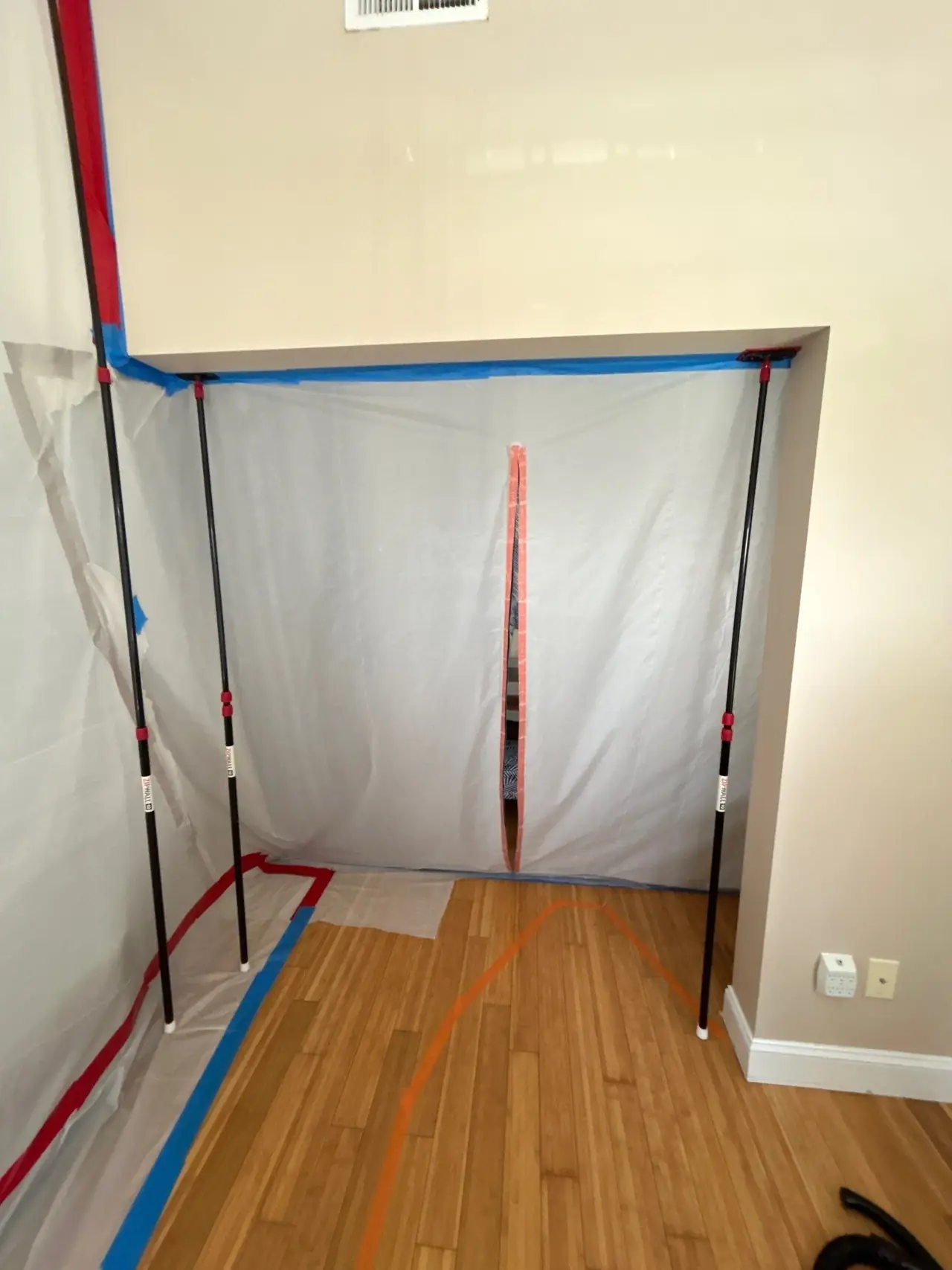
If you find mold or mildew in your home, it’s crucial to act immediately. Both can pose health risks if not addressed promptly. Professional assistance is often recommended for mold removal to ensure thorough and safe elimination.
While mildew has no known benefits, some molds can be beneficial. For example, Penicillium is used to make antibiotics and produce cheese and tofu.
Understanding the differences between mold and mildew helps in effectively tackling these fungi and minimizing their health risks. If you encounter mold or mildew in your home, take action promptly and consider seeking professional help to ensure a safe and healthy living environment.
Follow Home Disaster Medics on Facebook
At Home Disaster Medics, we know that in our part of North Carolina, extra moisture isn’t just a gardening benefit—it’s an essential ingredient for…
Accurate Testing Leads to Safe and Effective Remediation At Home Disaster Medics, we know that discovering potential mold in your home or business…
When most homeowners think of restoration work, they picture drying equipment, demolition, or mold cleanup. But there’s a less visible — yet equally…
24/7 emergency services
Reach out immediately for emergency water removal, fire damage cleanup and comprehensive disaster restoration, or to talk through a renovation or contracting project.
Call now, day or night
(910) 777-7800Call us 24/7 at (910) 777-7800 or send this form. Our representative will respond shortly.