March Mold Prevention for Coastal NC: Don’t Let Spring Showers Bring Indoor Flowers
At Home Disaster Medics, we know that in our part of North Carolina, extra moisture isn’t just a gardening benefit—it’s an essential ingredient for…
Blog
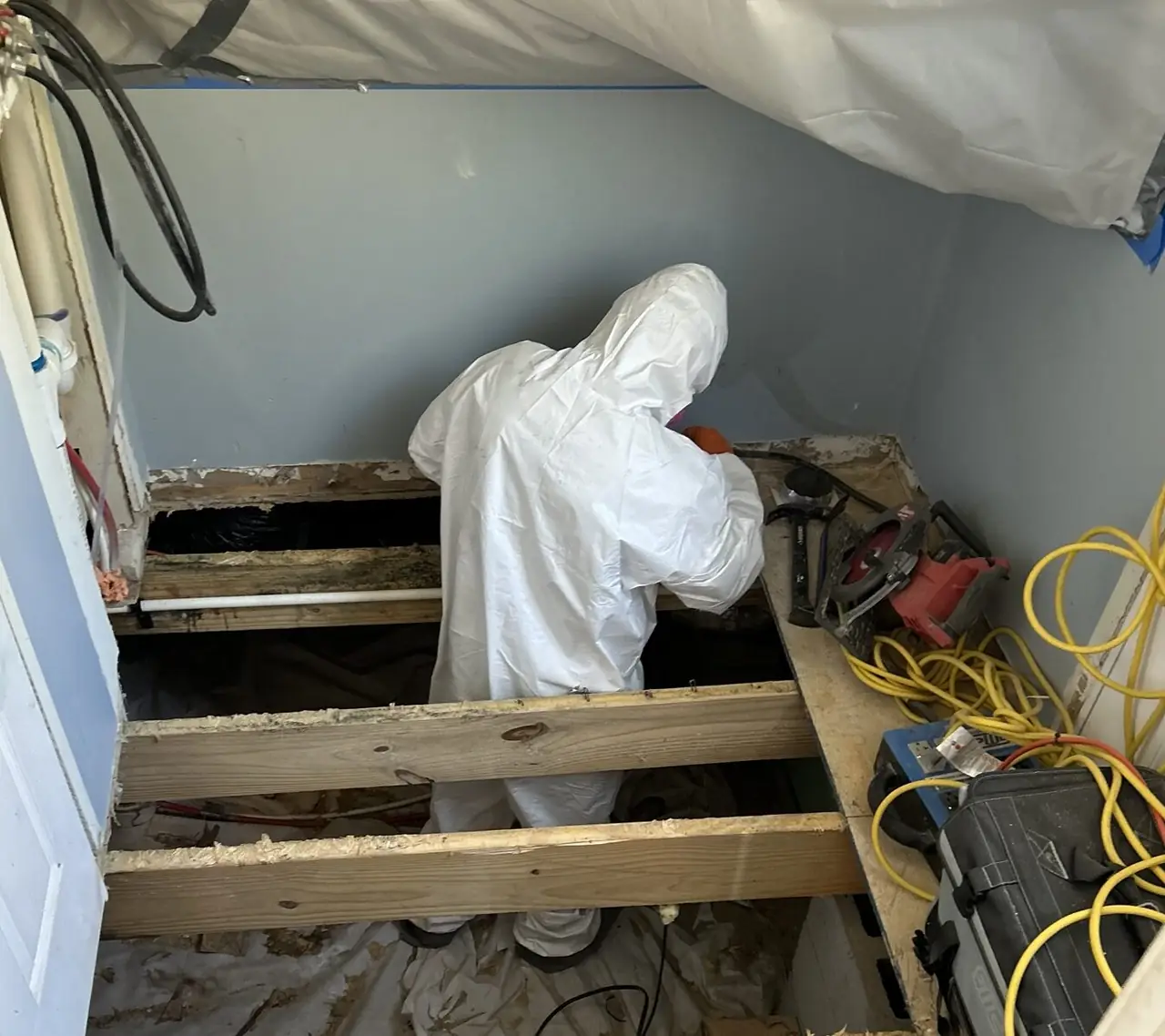
Living in North Carolina means dealing with high humidity, unpredictable weather, and seasonal storms. Without proper ventilation, excess moisture can build up in your home, leading to mold growth, musty odors, and poor air quality. Whether you’re near the coast or further inland, keeping your home well-ventilated is key to a healthy living space.
Here’s how you can improve airflow and prevent moisture issues in your North Carolina home.
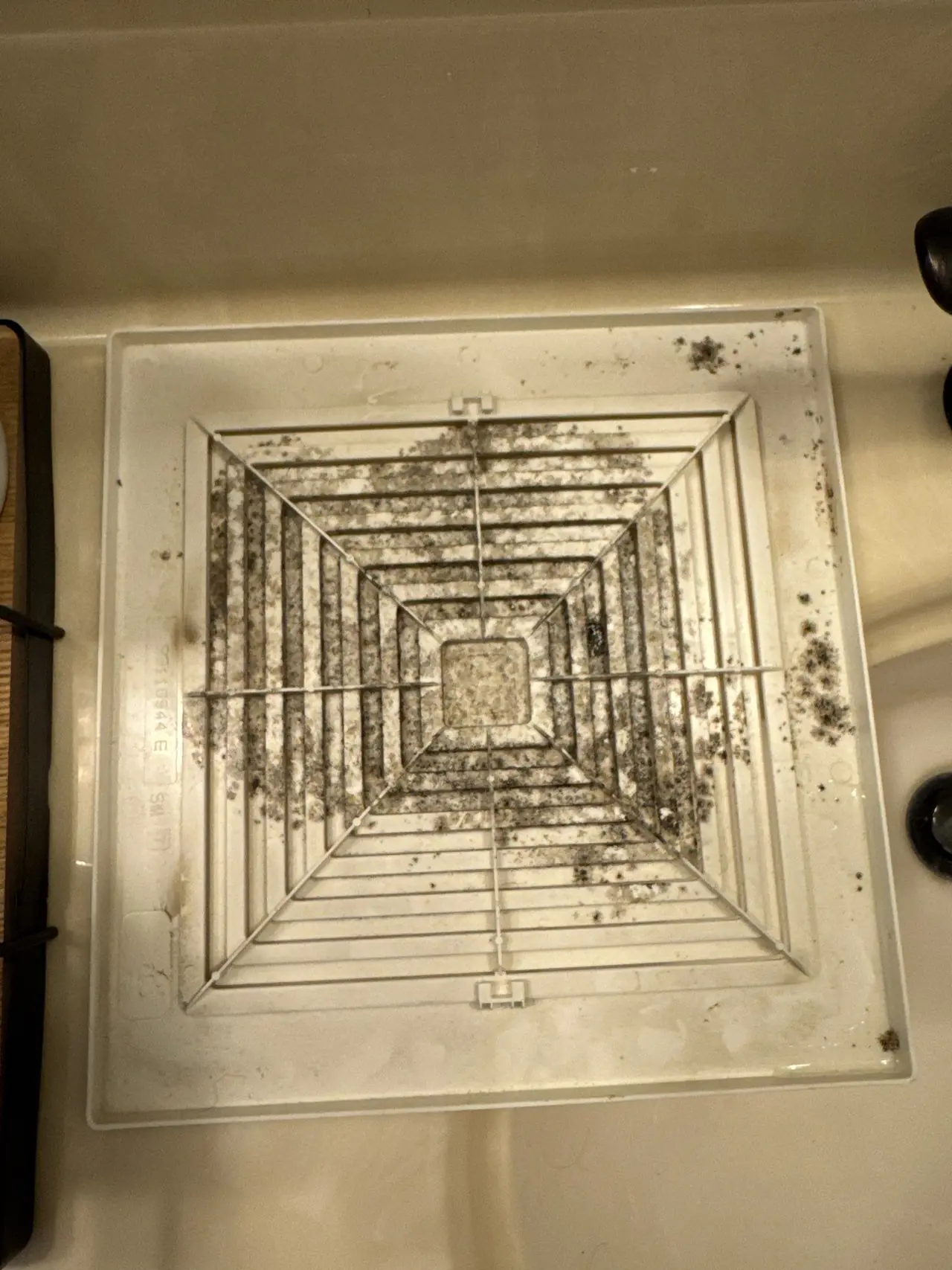
With North Carolina’s humidity, even a quick shower can add excess moisture to your home. If that moisture isn’t properly vented, it can settle on walls and ceilings—leading to mold and mildew growth.
🔹 What to Do: Run your bathroom exhaust fan for at least 20-30 minutes after showering. If your bathroom doesn’t have an exhaust fan, open a window to improve airflow, especially on humid summer days.
Cooking adds moisture and pollutants to the air, especially when boiling water or frying food. If that humidity gets trapped indoors, it can contribute to poor air quality and even mold in kitchen cabinets.
🔹 What to Do:
✔ Always turn on your kitchen range hood while cooking, and make sure it vents air outside, not just recirculating it.
✔ On cooler, less humid days, crack a window while cooking to improve airflow.
Many homes in North Carolina have crawlspaces or basements, which can trap moisture from the soil—leading to mold, wood rot, and structural damage. The combination of high humidity and seasonal storms makes moisture control in these areas critical.
🔹 What to Do:
✔ Ensure your crawlspace has proper ventilation or consider encapsulation to keep humidity levels stable.
✔ Install a dehumidifier in your basement or crawlspace if humidity stays above 60%.
✔ Regularly check for leaks, standing water, or condensation buildup.
North Carolina’s hot, humid summers and cool winters mean homes are often sealed up tight with the AC running non-stop. While this helps with temperature control, it can also trap stale, moisture-laden air inside.
Energy Recovery Ventilators (ERVs) and Heat Recovery Ventilators (HRVs) are great for North Carolina homes, as they balance indoor humidity while ensuring fresh, filtered outdoor air comes in.
🔹 What to Do:
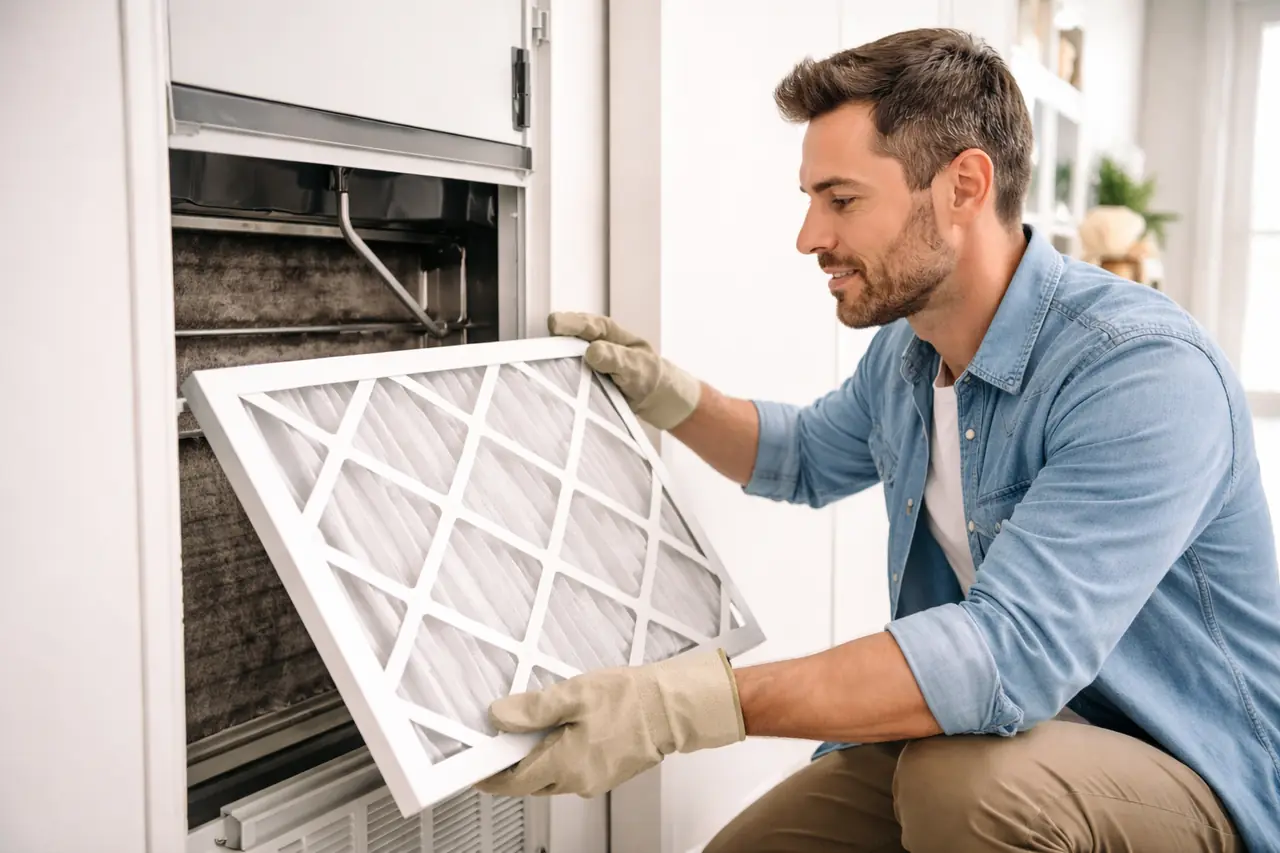
✔ If your home feels stuffy, damp, or has lingering odors, consider installing an ERV or HRV system.
✔ These systems improve indoor air quality year-round by bringing in fresh air without overloading your HVAC system.
In a state like North Carolina, where high humidity and storms are common, proper ventilation is essential to keep your home dry, fresh, and mold-free. By following these steps, you can reduce moisture, improve air quality, and protect your home from long-term damage.
Need help with moisture control or mold prevention? Home Disaster Medics specializes in air quality solutions to keep your home safe and breathable.
At Home Disaster Medics, we know that in our part of North Carolina, extra moisture isn’t just a gardening benefit—it’s an essential ingredient for…
Accurate Testing Leads to Safe and Effective Remediation At Home Disaster Medics, we know that discovering potential mold in your home or business…
When most homeowners think of restoration work, they picture drying equipment, demolition, or mold cleanup. But there’s a less visible — yet equally…
24/7 emergency services
Reach out immediately for emergency water removal, fire damage cleanup and comprehensive disaster restoration, or to talk through a renovation or contracting project.
Call now, day or night
(910) 777-7800Call us 24/7 at (910) 777-7800 or send this form. Our representative will respond shortly.